The short answer
In most cases you do not need planning permission for a garden office in England. A garden office used for your own work is normally permitted development, provided it stays single storey, under 2.5 metres high near a boundary, and incidental to the house. Frequent customer visits, staff or signage can change that.
Working from home is usually fine
If you work from home and want a quiet, warm room at the end of the garden, a garden office almost always sits within permitted development. The use is treated as incidental to your home, in the same way a study inside the house would be.
The building still has to meet the standard outbuilding limits on height, footprint and position, but the use itself rarely causes a problem for an individual working remotely.
When business use changes things
The line moves when the office stops being incidental and starts to function like commercial premises. The council looks at the effect on the area rather than the fact that you earn money in there.
- Regular customers or clients visiting the property
- Employees travelling in and parking
- Deliveries, signage or advertising
- Noise, smells or activity that changes the character of the area
The building limits still apply
Whatever the use, the structure must meet the same permitted development conditions as any garden room. Single storey, eaves no higher than 2.5 metres, total height within the 3 to 4 metre band depending on roof, and no more than 2.5 metres high if it is within 2 metres of a boundary.
Conservation areas, listed buildings and some estates restrict these rights, so check those first if they apply to you.
A modular home garden office, checked before you order
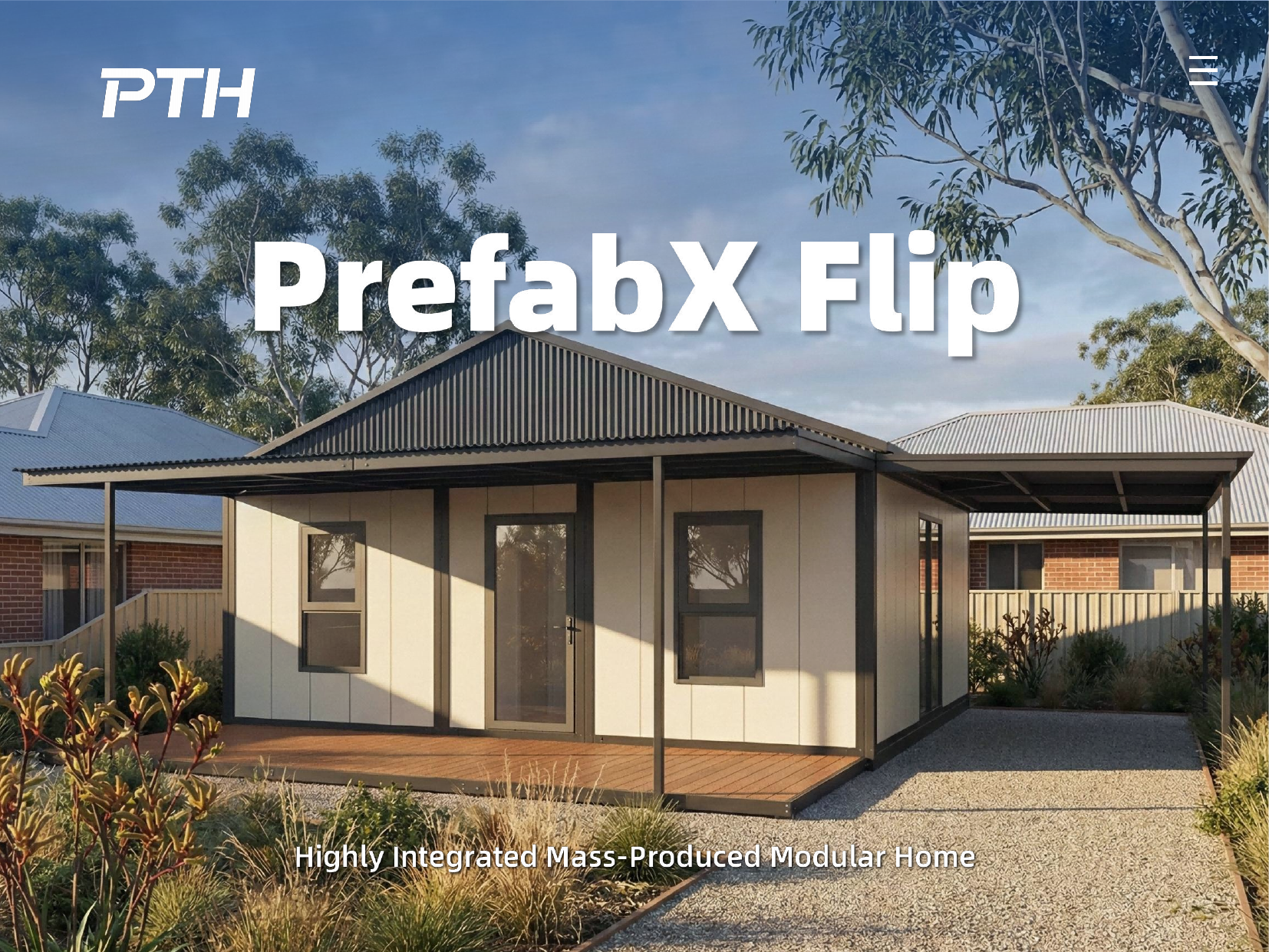
A PrefabX modular home garden office is a single storey building designed to fit within permitted development for typical home working. We assess your site and how you plan to use it, and flag early if customer visits or staff might need a closer look.
That way you get a warm, insulated, year round office without a planning surprise after it arrives.

Key takeaways
- Home working in a garden office is almost always permitted development
- Customer visits, staff, parking and signage can trigger permission
- Standard outbuilding height and footprint limits always apply
- We check your use and site before you commit
This is general guidance, not formal planning advice. Permitted development rights vary, and they differ in Scotland, Wales and Northern Ireland. Always confirm with your local planning authority, and we will check your site before you order.
Get a fixed price for your build.
Tell us what you are planning and we will recommend the right modular home layout, confirm your planning position, and give you one all inclusive price. No obligation.
Common questions
Frequently asked
Running an office based business on your own is usually fine. Permission tends to be needed when the use brings regular customers, staff, deliveries or signage that change the character of the area.
Occasional visits are rarely an issue. Frequent client traffic and parking is what councils look at, so if visits are a core part of the work it is worth confirming with your local authority.
A modular home is a permanent, insulated building with a long lifespan, but it is still an outbuilding for planning purposes. That is what keeps it within permitted development for most home working uses.
Explore the buildings
See what we install for this.


Keep reading
Related advice.
Planning permission
Do you need planning permission for a garden room?
Most garden rooms are covered by permitted development, but the limits on height, footprint and use decide it. Here is the full picture for England.
Read articleCosts
How much does a garden office cost in the UK?
From a cheap shed conversion to a fully insulated room, the spread is huge. Here is what a proper, year round garden office actually costs.
Read articleComfort and spec
How to get WiFi in a garden office
A dropped connection is the fastest way to ruin a garden office. Here are the real options, ranked, and the one that just works.
Read article