The short answer
The real difference is build quality and insulation. A summerhouse is a lightweight, usually uninsulated timber structure for fair weather use. A garden room is an insulated, year round building you can work, train or live in through winter. The two can look similar but perform very differently once it gets cold.
They are built for different jobs
A summerhouse is designed for warm weather: somewhere to sit on a summer evening or store garden furniture. It is typically single skin timber, uninsulated, and not built for daily year round use.
A garden room is a proper building. It is insulated, heated and finished to be used every day, in every season, as an office, gym, studio or extra living space.
The differences that matter
On paper they overlap, but the specification tells the real story.
- Insulation: a garden room has it in walls, floor and roof, a summerhouse usually does not
- Glazing: double glazed in a garden room, often single glazed in a summerhouse
- Heating and power: properly wired in a garden room, minimal or none in a summerhouse
- Lifespan: decades for a quality garden room, far less for a timber summerhouse
- Year round use: a garden room works in winter, a summerhouse does not
Watch the marketing
Some products marketed as insulated summerhouses or garden rooms are really a summerhouse with a thin insulation upgrade. The way to tell is to ask for the insulation in every surface, the glazing spec and the expected lifespan. Vague answers usually mean a seasonal structure.
If you need to use the space in January, the build quality, not the name on the brochure, is what counts.
Where the modular home sits
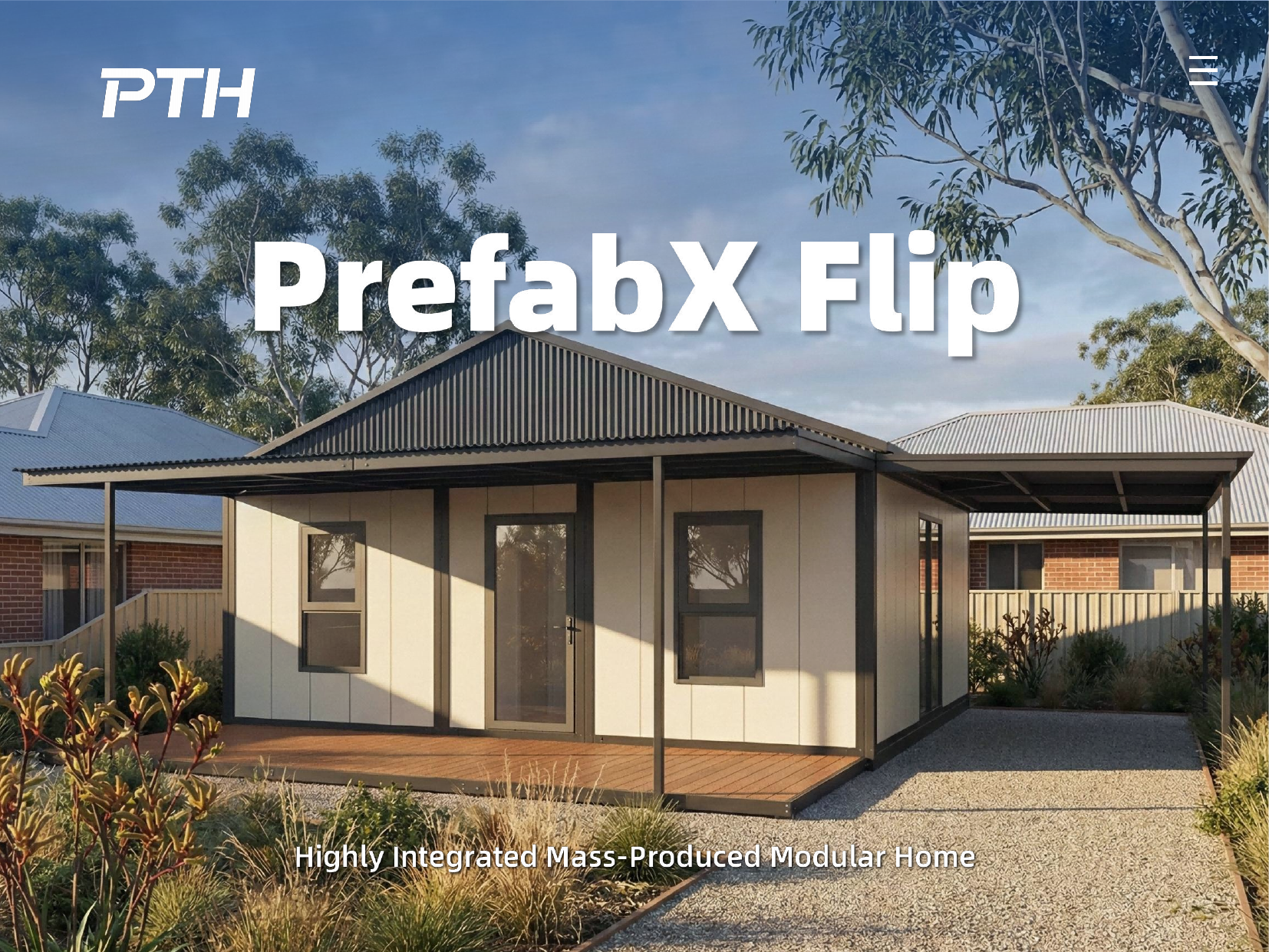
A PrefabX modular home is firmly a garden room, and beyond. It uses 85mm integrated insulation, triple glazed aluminium windows and doors, full electrics and heating, on a galvanised steel frame engineered for a 50 year life. It is built to be used every day of the year, not just on warm evenings.
That is the gap between a modular home and a summerhouse: one is a permanent room, the other is a seasonal structure.

Key takeaways
- A summerhouse is a seasonal, usually uninsulated timber structure
- A garden room is insulated and built for year round use
- Check insulation, glazing, heating and lifespan, not the label
- A modular home is a permanent room engineered for 50 years
Get a fixed price for your build.
Tell us what you are planning and we will recommend the right modular home layout, confirm your planning position, and give you one all inclusive price. No obligation.
Common questions
Frequently asked
A standard uninsulated summerhouse is cold and prone to damp in winter, so it is rarely usable. An insulated garden room is built specifically to stay comfortable through the colder months.
No. A garden room is a different class of building, insulated, wired, heated and engineered to last decades and be used daily, where a summerhouse is a lightweight seasonal structure.
Lightly insulated summerhouses fall short for daily work, because they struggle in winter and with reliable power and connectivity. A purpose built garden office is the better choice for working all year.
Explore the buildings
See what we install for this.


Keep reading
Related advice.
Comfort and spec
Insulated garden rooms: what proper insulation actually means
Insulation is the single thing that decides whether a garden room works in January. Here is what good insulation looks like and the figures to ask about.
Read articleComparisons
Garden room vs extension: which is right for you?
Both add space, but they suit different needs. An honest comparison on cost, disruption, planning, speed and value to help you choose.
Read articleComfort and spec
Are garden rooms warm in winter?
Only the well built ones. Insulation, glazing and heating decide whether your garden room works in January or sits empty until spring.
Read article