The short answer
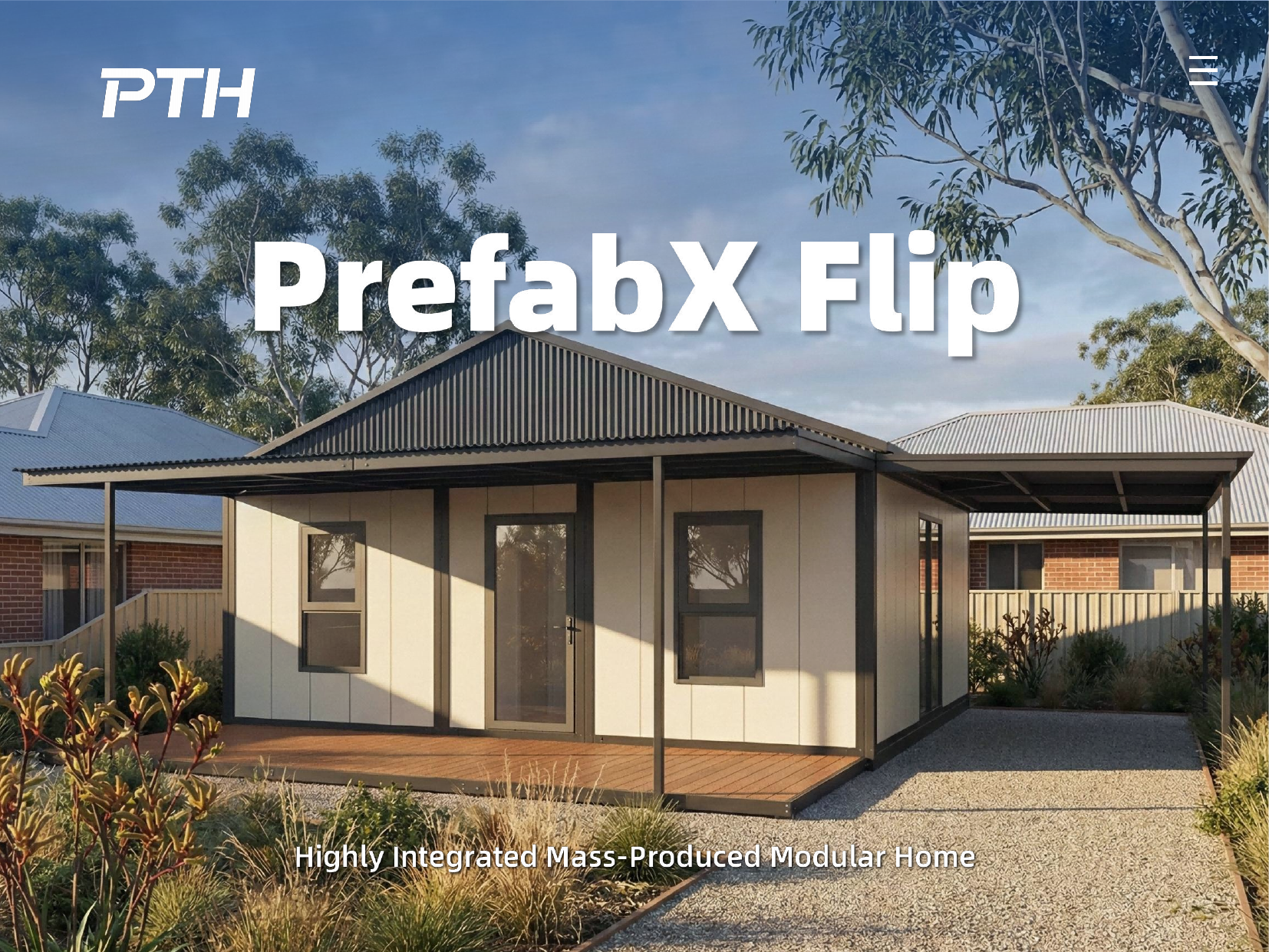
An insulated garden room has its walls, floor and roof built up with insulation so it holds heat and stays usable all year. The things that matter are the insulation in every surface, the glazing, and a sealed, draught free build. A PrefabX modular home uses 85mm integrated insulation with a thermal resistance of 3.95 metres squared kelvin per watt.
Why insulation is the whole game
The difference between a garden room you use every day and one that sits empty from October is almost entirely down to insulation. A well insulated room holds the heat you put into it, so a small heater keeps it warm cheaply. A poorly insulated one loses heat as fast as you make it.
Insulation also controls condensation and damp, which is what ruins the contents and the structure of cheaper rooms over a few winters.
Insulate every surface, not just the walls
A genuinely insulated garden room is built up on all six sides. Skimping on the floor or roof leaves an obvious weak point that undoes the rest.
- Insulated walls, with the insulation thickness stated
- An insulated floor, not just a deck on bearers
- An insulated roof, the biggest heat loss area if missed
- Double glazed windows and doors
- A sealed, draught free envelope with no obvious gaps
The numbers worth asking about
Quality suppliers will tell you the insulation thickness and the thermal performance, usually as a U-value (lower is better) or a thermal resistance figure (higher is better). Vague answers, or insulation only in the walls, are a sign of a summerhouse dressed up as a garden room.
Glazing matters too: double glazed units make a real difference to both warmth and noise.
How the modular home is built
A PrefabX modular home uses 85mm integrated insulation in the envelope, with a thermal resistance of 3.95 metres squared kelvin per watt, triple glazed aluminium windows and doors throughout and a sealed, tested build. That is what lets it stay comfortable through a British winter and avoid overheating in summer.
Because it is engineered as a permanent building rather than a timber kit, the insulation is built in, not an upgrade you bolt on later.

Key takeaways
- Insulation decides whether a garden room works all year
- It must be in the walls, floor and roof, not just one surface
- Ask for insulation thickness and a U-value or thermal resistance figure
- A modular home uses 85mm integrated insulation as standard
Get a fixed price for your build.
Tell us what you are planning and we will recommend the right modular home layout, confirm your planning position, and give you one all inclusive price. No obligation.
Common questions
Frequently asked
The best approach is a continuous insulated envelope across walls, floor and roof, paired with double glazing and a sealed build. The exact material matters less than insulating every surface well and avoiding gaps.
You can retrofit insulation, but it is disruptive and rarely as effective as a building insulated from the start, because the floor and structural junctions are hard to reach. Buying an insulated building avoids the compromise.
The opposite. Good insulation means you need far less heating to stay warm, so a properly insulated room is cheaper to run as well as more comfortable than a single skin one.
Explore the buildings
See what we install for this.


Keep reading
Related advice.
Comfort and spec
Are garden rooms warm in winter?
Only the well built ones. Insulation, glazing and heating decide whether your garden room works in January or sits empty until spring.
Read articleComparisons
Garden room vs summerhouse: what is the real difference?
They can look alike in a brochure, but one works in winter and one does not. Here is what actually separates a garden room from a summerhouse.
Read articleAdding value
Does a garden room add value to your house?
A proper insulated garden room can add real value, but a cold timber shell adds almost none. Here is what makes the difference to a buyer and a valuer.
Read article