The short answer
A modular building is a structure built off site in a factory as one or more modules, then transported and assembled where it is needed. Because manufacture happens in parallel with site groundwork, modular buildings go up far faster than traditional construction, with quality controlled factory assembly and a fixed price.
How modular construction works
Instead of building everything on site in sequence, a modular building is manufactured in a factory as complete modules, with the structure, insulation, services and finishes largely done before it leaves. The modules are then delivered and assembled on a prepared base.
The big advantage is that factory work and site groundwork happen at the same time, so the overall programme is much shorter than a conventional build where each stage waits for the last.
Where modular wins
Modular construction is strongest where speed, certainty and quality all matter.
- Far faster delivery, often by months
- A fixed price, with fewer overruns than site builds
- Consistent quality from controlled factory conditions
- Less disruption and waste on site
- The ability to relocate or expand later
Common uses
Modular buildings are used across homes and business: offices, classrooms, healthcare and consulting rooms, changing rooms, welfare units and self contained homes. Anywhere that needs good space quickly and to a reliable standard is a candidate.
Modern modular buildings are a long way from the tired temporary cabins many people picture, and can match or exceed traditional construction.
The PrefabX approach
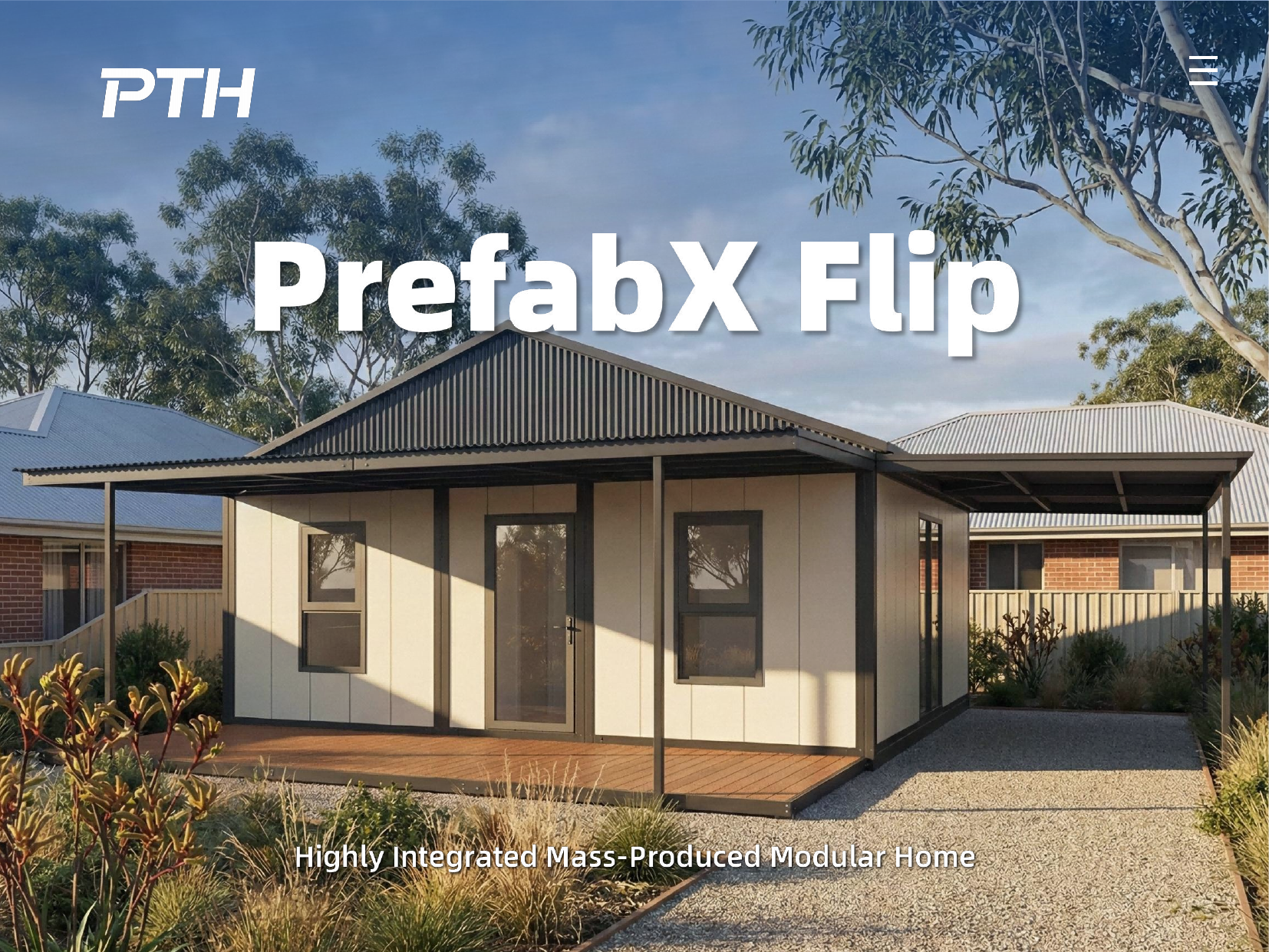
The PrefabX modular home is a premium modular building with a galvanised steel frame, an insulated, tested envelope and a 50 year design life. It arrives finished and unfolds on site in 2 to 3 days, fully fitted, for a fixed price.
It works as a garden room or office for homes, and as an office, classroom, clinic or changing room for businesses, and it can be relocated as needs change.

Key takeaways
- A modular building is made off site then assembled where needed
- Factory and site work happen in parallel, saving months
- Quality is consistent and the price is fixed
- Modern modular can match or beat traditional construction
Get a fixed price for your build.
Tell us what you are planning and we will recommend the right modular home layout, confirm your planning position, and give you one all inclusive price. No obligation.
Common questions
Frequently asked
Modular is a type of prefabrication. Prefab is the broad term for building components off site, while modular specifically means complete three dimensional modules that are assembled on site.
A well engineered modular building can exceed traditional standards, because it is assembled under controlled factory conditions. The modular home uses a steel frame and a tested insulated envelope built for a 50 year life.
Yes. A key benefit of modular is that the building can often be relocated or expanded, so it stays an asset that flexes with your needs rather than a fixed sunk cost.
Explore the buildings
See what we install for this.


Keep reading
Related advice.
Buying guide
How long do modular buildings last?
Modern modular buildings are not temporary. A quality one lasts decades. Here is what sets the lifespan and how to tell a 50 year build from a short term cabin.
Read articleBuying guide
What is a prefab house?
Forget the post war image. Modern prefab houses are high spec, energy efficient and built in days. Here is how they work and whether you can mortgage one.
Read articleCosts
How much does a garden room cost in the UK?
Prices swing from a few thousand for a timber shell to fully fitted insulated buildings. Here is what you actually pay for, and where the hidden costs hide.
Read article