The short answer
A garden room is usually faster, cheaper and far less disruptive than an extension, and adds separate space such as an office or gym. An extension adds connected space to the house itself and can suit a bigger kitchen or extra bedroom. The right choice depends on whether you need attached or separate space.
They solve different problems
The first question is not cost, it is what kind of space you need. An extension grows the house, which is what you want for a larger kitchen, an extra bedroom or a knocked through living space. A garden room adds a separate, self contained room, which is ideal for an office, gym, studio or annexe.
If the use benefits from being away from the house, a garden room often wins. If it needs to be part of the house, an extension is the right tool.
Cost, time and disruption
This is where a garden room usually pulls ahead. An extension means foundations, wet trades, weeks or months of work, and living in a building site, with real risk of cost overruns.
- A garden room avoids structural work to the house
- A prefab garden room installs in days, not months
- A fixed price removes the overrun risk of a site build
- No knocking through, dust or disruption to the home
Planning and value
Many garden rooms sit within permitted development, while extensions more often need planning permission, though both depend on the specifics. On value, a well built extension and a quality garden room can both add value, and a garden room has the edge for buyers who want a separate office without losing a bedroom.
An unauthorised version of either can harm a sale, so compliance matters whichever you choose.
Where a modular home fits
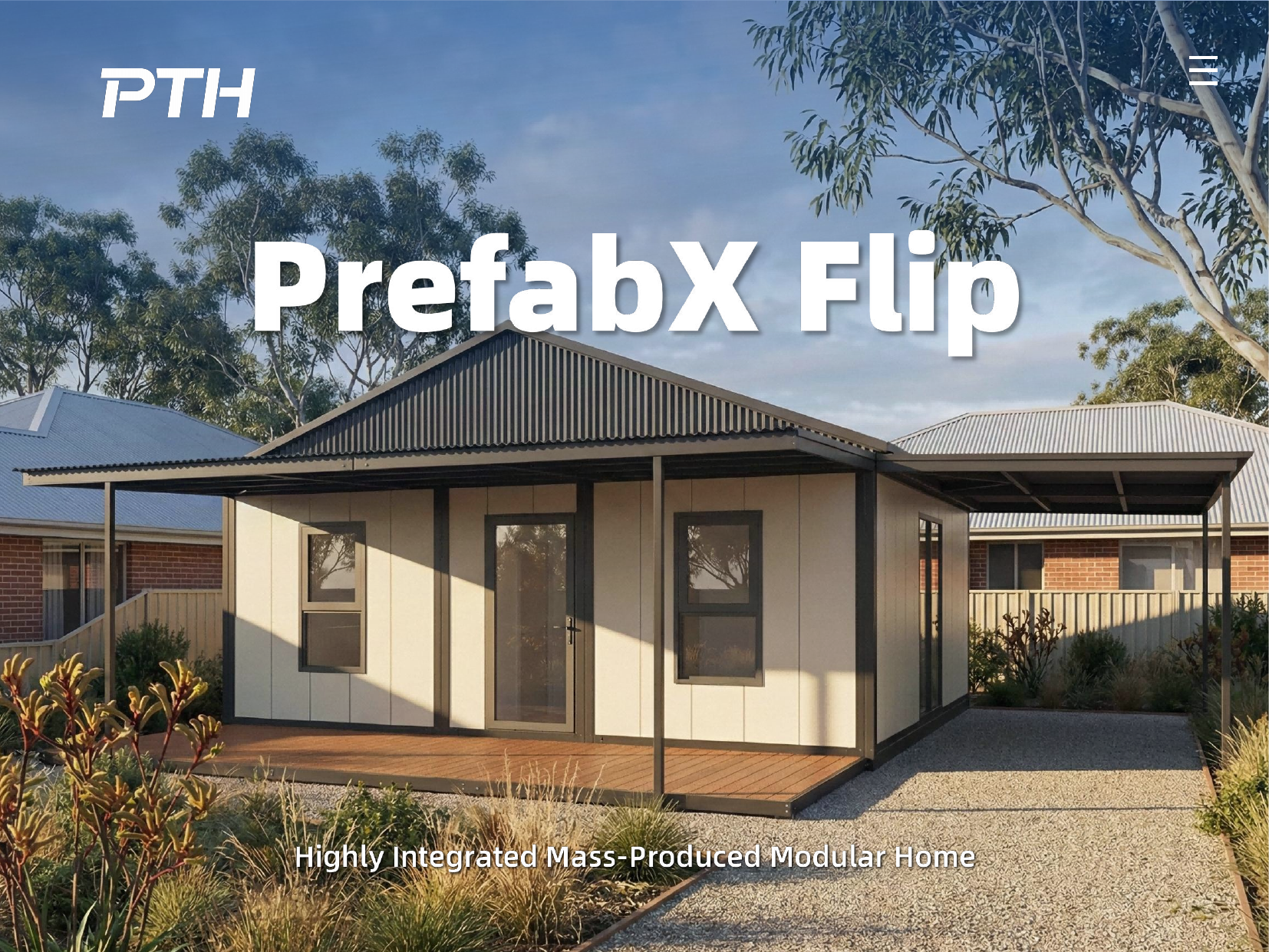
A PrefabX modular home garden room gives you a warm, insulated, fully fitted separate room installed in 2 to 3 days for a fixed price, with the planning position checked before you order. For the many jobs that do not need attached space, it delivers the result of an extension without the cost, time and upheaval.
If you genuinely need to grow the house itself, an extension is the better route, and we will say so.

Key takeaways
- Extension for attached space, garden room for separate space
- A garden room is usually faster, cheaper and less disruptive
- Garden rooms more often sit within permitted development
- Both can add value when built and authorised properly
Get a fixed price for your build.
Tell us what you are planning and we will recommend the right modular home layout, confirm your planning position, and give you one all inclusive price. No obligation.
Common questions
Frequently asked
Usually, yes. A garden room avoids the foundations, wet trades and structural work of an extension, and a fixed price prefab building removes the overruns that push extension costs up.
It depends on the property, but a quality garden room competes well, especially with buyers who want a separate office or gym without losing a bedroom inside the house.
A garden room, by a wide margin. A prefab garden room installs in 2 to 3 days once the base is ready, while an extension typically takes weeks or months on site.
Explore the buildings
See what we install for this.


Keep reading
Related advice.
Comparisons
Garden room vs summerhouse: what is the real difference?
They can look alike in a brochure, but one works in winter and one does not. Here is what actually separates a garden room from a summerhouse.
Read articleAdding value
Does a garden room add value to your house?
A proper insulated garden room can add real value, but a cold timber shell adds almost none. Here is what makes the difference to a buyer and a valuer.
Read articleCosts
How much does a garden room cost in the UK?
Prices swing from a few thousand for a timber shell to fully fitted insulated buildings. Here is what you actually pay for, and where the hidden costs hide.
Read article